top of page



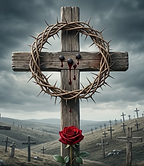


The Mandate to Walk as He Walked:

Walking as Messiah Walked: The Evidence of Faith
Belonging to the Father is not proven by lineage, ritual, or verbal confession, but through active Shema—hearing that produces steadfast obedience.
The Mandate to Walk as He Walked: To claim fellowship with Messiah requires living as He lived (1 John 2:6). Passive listening is self-deception; faith is realized only in the doing (James 1:22).
Love Defined by Obedience: True love for Yeshua is measured by guarding His commands, which are the Father's words (John 14:23–24; John 15:14). His sheep recognize His voice, deny themselves, take up their cross, and follow Him (John 10:27; Matthew 16:24).
Belief Versus Lawlessness: Biblical faith and obedience are inseparable: "Whoever believes in the Son has eternal life; whoever does not obey the Son shall not see life, but the wrath of God remains on him" (John 3:36).
Distinguishing the Children of God from the Children of the Adversary
Scripture defines sin directly: sin is lawlessness (anomia—Torahlessness) (1 John 3:4). The line of spiritual paternity is drawn by practice:
No Compromise with Deliberate Sin: Continuing in willful sin after receiving the truth leaves only a fearful expectation of judgment (Hebrews 10:26–27). Those who remain in Him do not make a practice of sin (1 John 3:6, 9).
The Fruit of Righteousness: The one who practices righteousness is of God; the one who practices lawlessness is of the devil (1 John 3:7–10).
The Final Verdict: Outward religious activity cannot disguise an obedient heart. At the judgment, Yeshua will turn away those who merely call Him "Lord" while practicing Torahlessness:
"I never knew you; depart from Me, you workers of lawlessness" (Matthew 7:21–23).
To "walk as Yeshua walked" (1 John 2:6), Scripture points to the specific, historical patterns of His earthly life, ministry, and devotion:
1. Complete Obedience to the Torah
Yeshua lived as an observant Hebrew under the covenant of Yehovah:
The Sabbath: It was His regular custom to observe the seventh-day Sabbath, attending the synagogue, reading scripture, and teaching (Luke 4:16). He demonstrated that the Sabbath was made for man to do good and preserve life (Matthew 12:11–12).
The Appointed Feasts (Moedim): He traveled to Jerusalem and observed the biblical festivals, including Passover and the Feast of Unleavened Bread (Luke 22:15; John 2:13), the Feast of Tabernacles (Sukkot) (John 7:2, 10), and the Feast of Dedication (Hanukkah) (John 10:22–23).
Biblical Dietary Laws: He consumed only what the Torah designated as food, living completely free from sin—which Scripture defines as lawlessness or Torah-breaking (1 John 3:4–5).
Covenant Reminders: He wore the traditional tassels (tzitzit) commanded on the corners of Hebrew garments (Numbers 15:38–39; Matthew 9:20, 14:36).
2. Radical Surrender to the Father's Will
Yeshua claimed no independent authority apart from the Father:
Total Alignment: He declared that He could do nothing of His own accord, speaking only what the Father taught Him and doing only what pleased Him (John 5:19, 8:28–29).
A Life of Constant Prayer: He regularly withdrew to desolate places, mountains, and gardens early in the morning or through the night to pray alone before the Father (Mark 1:35; Luke 5:16, 6:12).
Self-Denial to the Point of Death: He yielded His own flesh and desires to the Father’s purpose: "Not My will, but Yours, be done" (Luke 22:42).
3. Active Compassion and Truth
His day-to-day interactions balanced grace with uncompromising righteousness:
Serving the Lowly: He touched lepers, dined with tax collectors and outcasts, healed the sick, and defended the helpless (Matthew 8:1–3, 9:10–13).
Calling for Repentance: When He showed mercy, it was paired with a command to turn away from sin: "Go and sin no more" (John 8:11; Matthew 4:17).
Confronting Religious Hypocrisy: He boldly challenged the religious leaders of His day who elevated man-made traditions, oral additions, and human loopholes over the weightier matters of the Torah—justice, mercy, and faithfulness (Matthew 15:1–9, 23:23).
Enduring Rejection and Loving Enemies
Meekness Under Persecution: When reviled, He did not revile in return; when suffering, He uttered no threats, entrusting Himself to the righteous Judge (1 Peter 2:21–23).
Sacrificial Love: He taught His followers to love their enemies, bless those who curse them, and give up their own lives for their friends (Matthew 5:43–48; John 15:13).
In summary, Yeshua lived a life of wholehearted Shema—a life where faith was not merely an abstract concept, but an active, physical walk of obedience to the Father's commandments, steadfast love toward people, and total resistance to compromise.
bottom of page